Designing an End-to-End Training Experience for Endurance Athletes
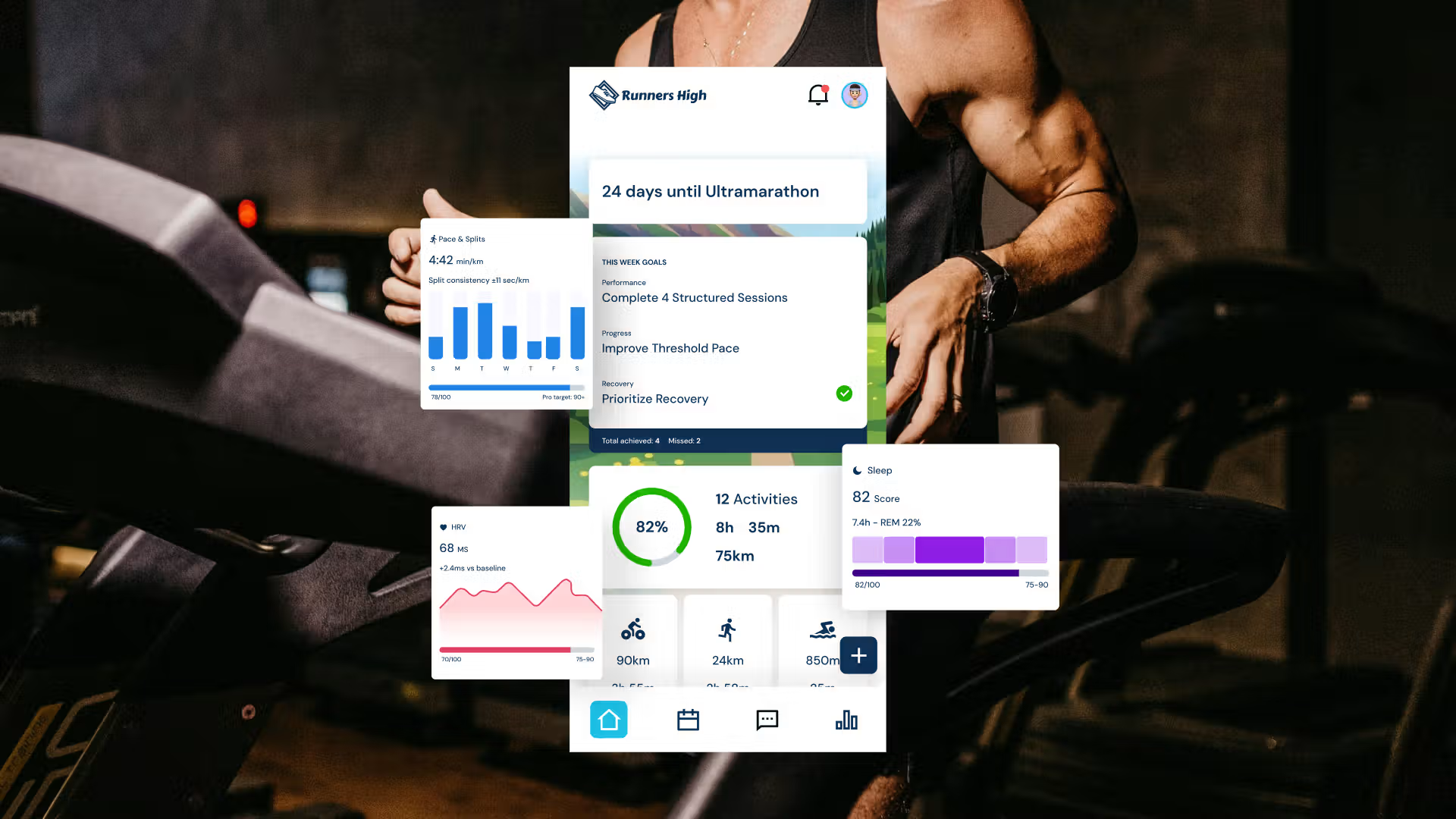
Led branding, UX research, product design, and front-end development to create a seamless experience across mobile and smartwatch.
Background
The Challenge
Initial survey
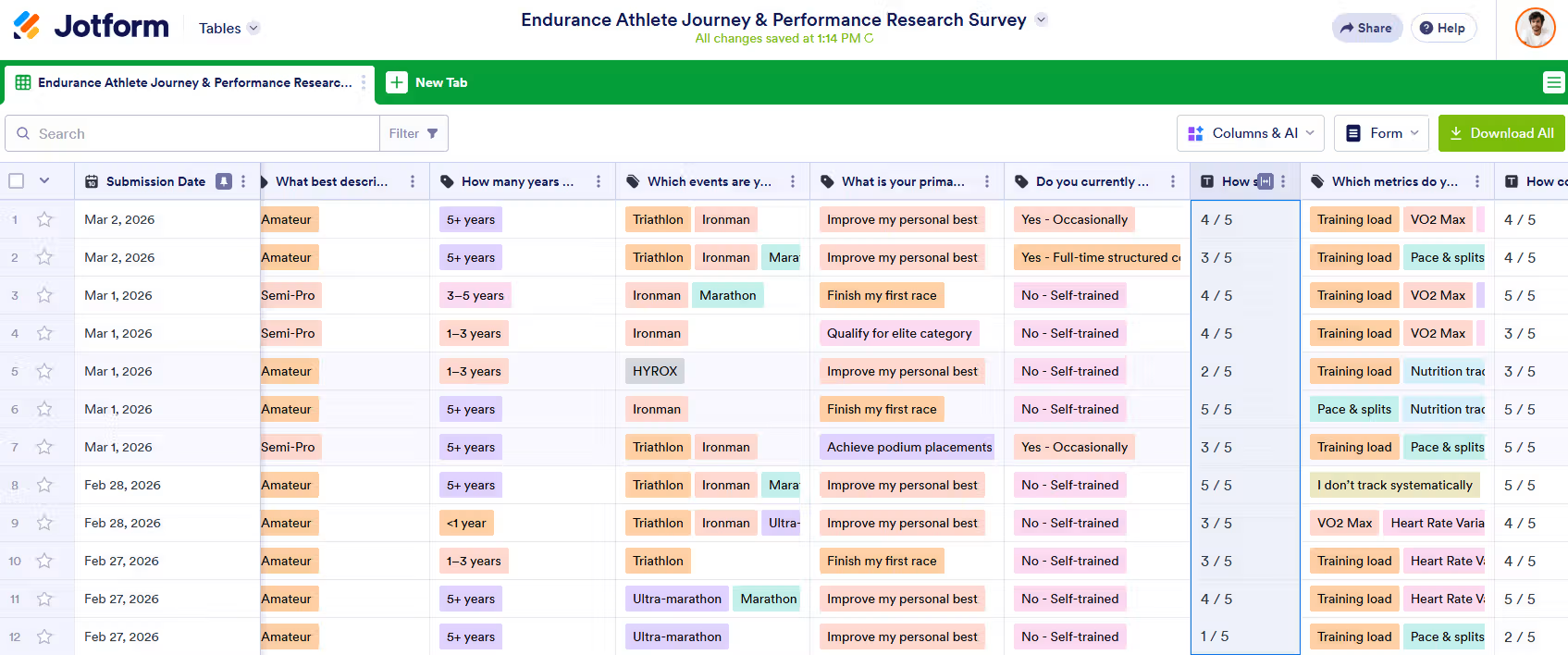
I began the discovery phase by conducting an anonymous survey with endurance athletes recruited through active communities on Reddit, Facebook, Discord, and Instagram.
Although the study included 12 participants, it provided valuable qualitative insights into how athletes plan, track, and evaluate their training. The responses helped uncover recurring pain points, motivations, and unmet needs across different experience levels.
These findings formed the foundation for my user personas, empathy maps, and problem definition, ensuring the product direction was grounded in real user behavior and designed to address the most meaningful challenges throughout the endurance training journey.
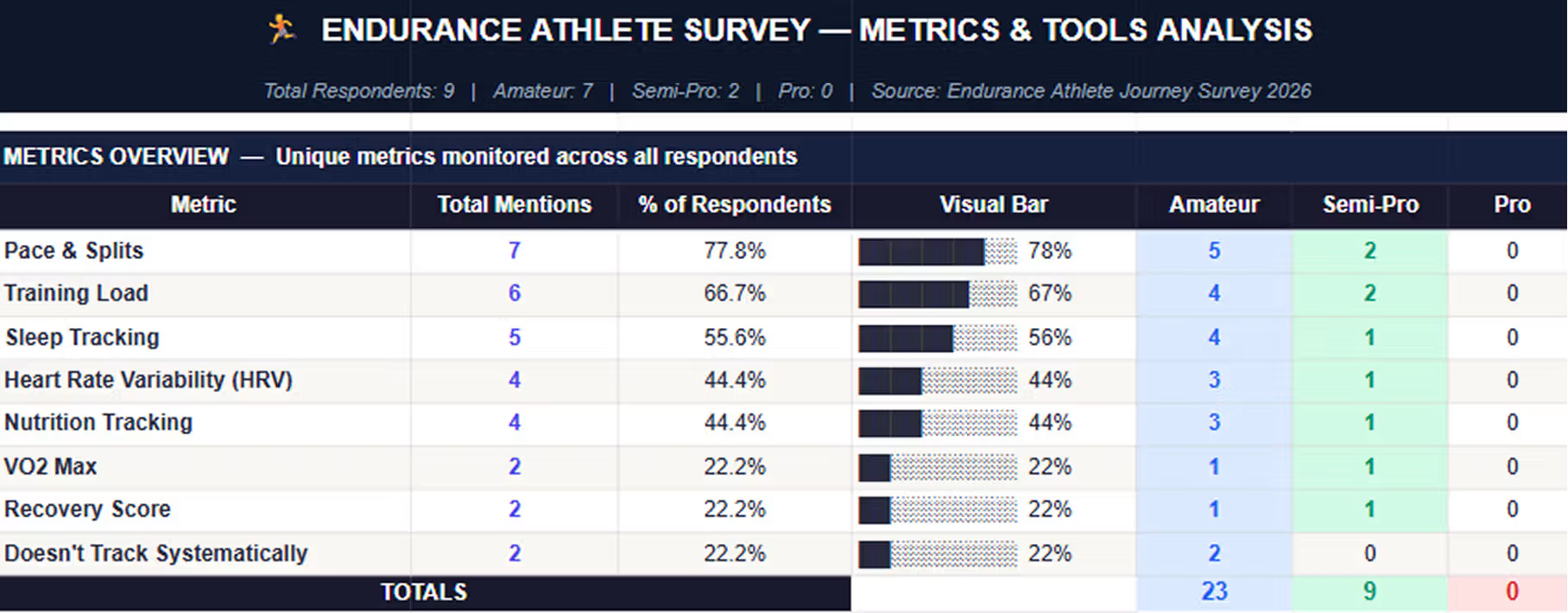
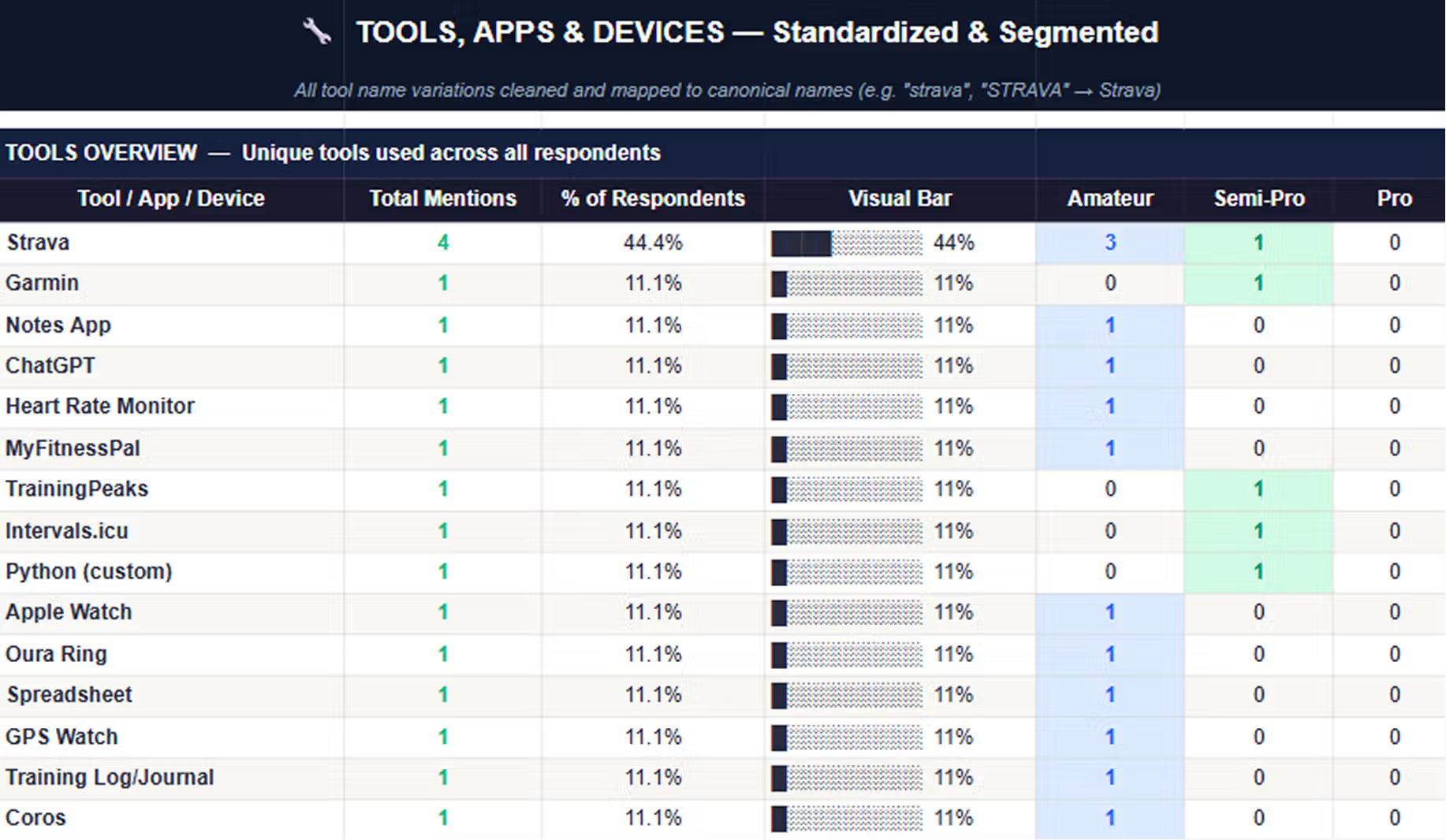
Survey response synthesis
User persona
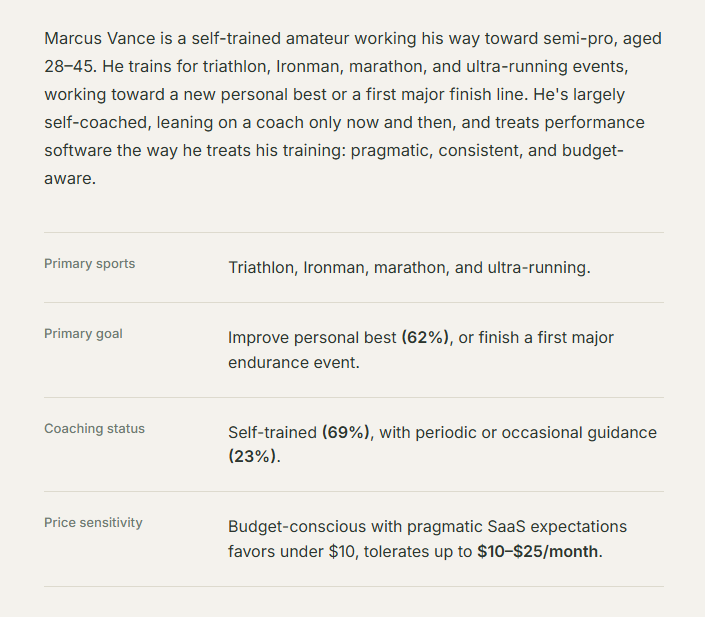
Behavioral Patterns & Training Ecosystem
Core Motivations & Goals
Precision & Progression: Driven by measurable personal growth and shaving minutes off race splits rather than casual fitness.Autonomy with Guidance: Prefers self-training but craves clear, periodized training templates (e.g., "Phase 1: Stable Base & Durability").
Streamlined Planning: Wants an all-in-one timeline connecting long-term race dates (e.g., Anza Borrego 50 Miler, Carmel Run) directly down to daily cadence and effort targets.
Frustrations & Pain Points
Data Fragmentation & Superfluous Bloat: Frustrated by bloated apps that push unnecessary social features or superficial AI advice without providing functional utility."I don't need fluff or AI gimmicks—I need clear, actionable data that helps me track load, avoid burnout, and execute on race day."
Lack of Recovery & Load Context: Standard metrics (like raw TSS) often fail to account for fatigue accumulation over long endurance rides/runs.
Isolated Tools: Struggling to combine route planning, device syncing, race calendar countdowns, and workout templates in one cohesive workspace.
Time & Age Management: Balancing high-volume training blocks around demanding careers, family life, and age-related physical recovery.
Competitor analysis
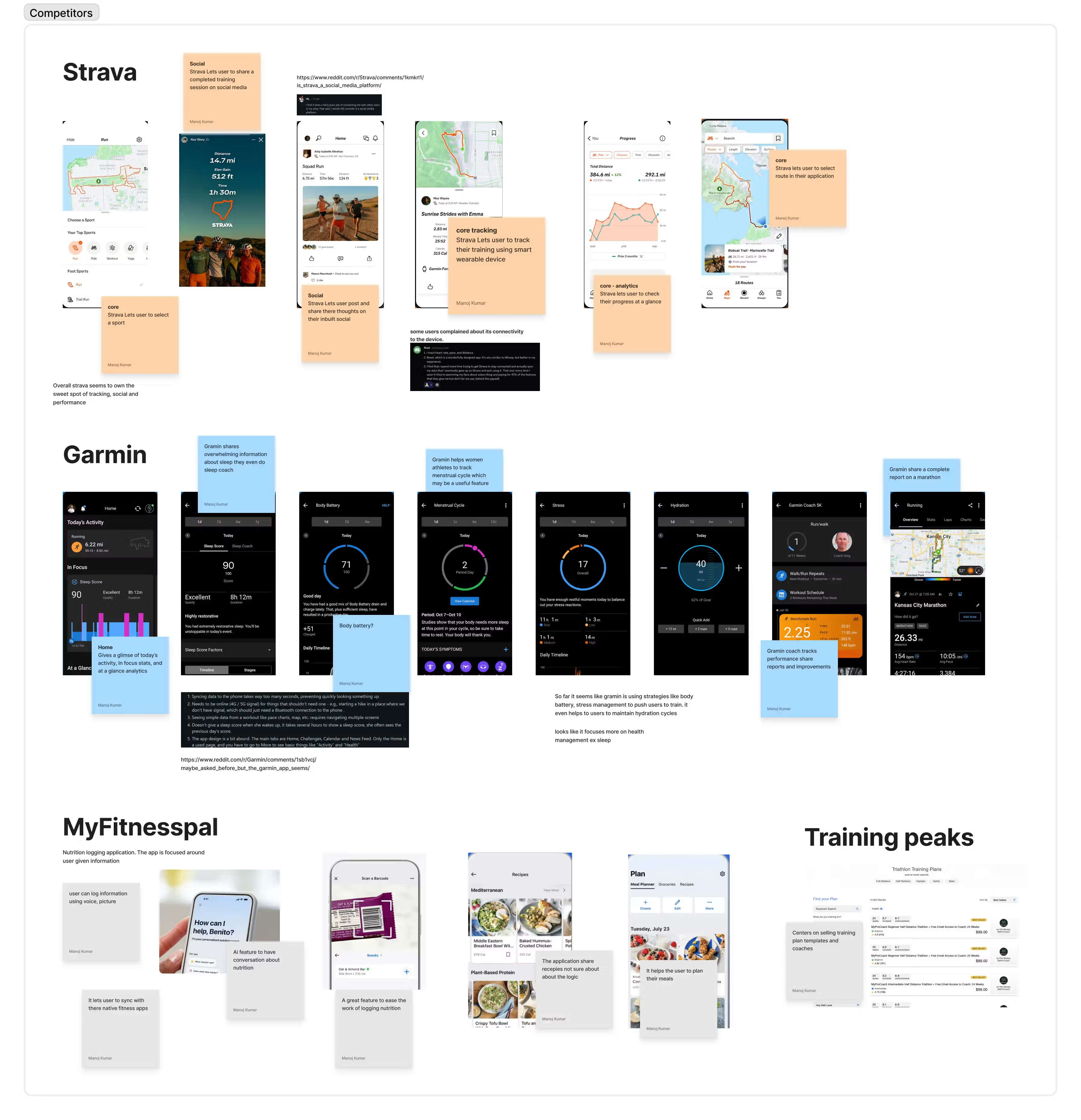
The research revealed that Strava was the most widely used platform among participants, primarily because of its intuitive experience and seamless integration with wearable devices. Athletes valued having their training data automatically synced into a single platform, making it easy to review and share their activities.
In contrast, participants described many other fitness applications as overly complex. They often included features that users rarely needed, resulting in cluttered interfaces and overengineered workflows that made planning and managing training more difficult.
These insights highlighted an opportunity to design a more focused experience one that combines seamless wearable integration with simple, purposeful workflows that help athletes plan, track, and evaluate their training without unnecessary complexity.
Design
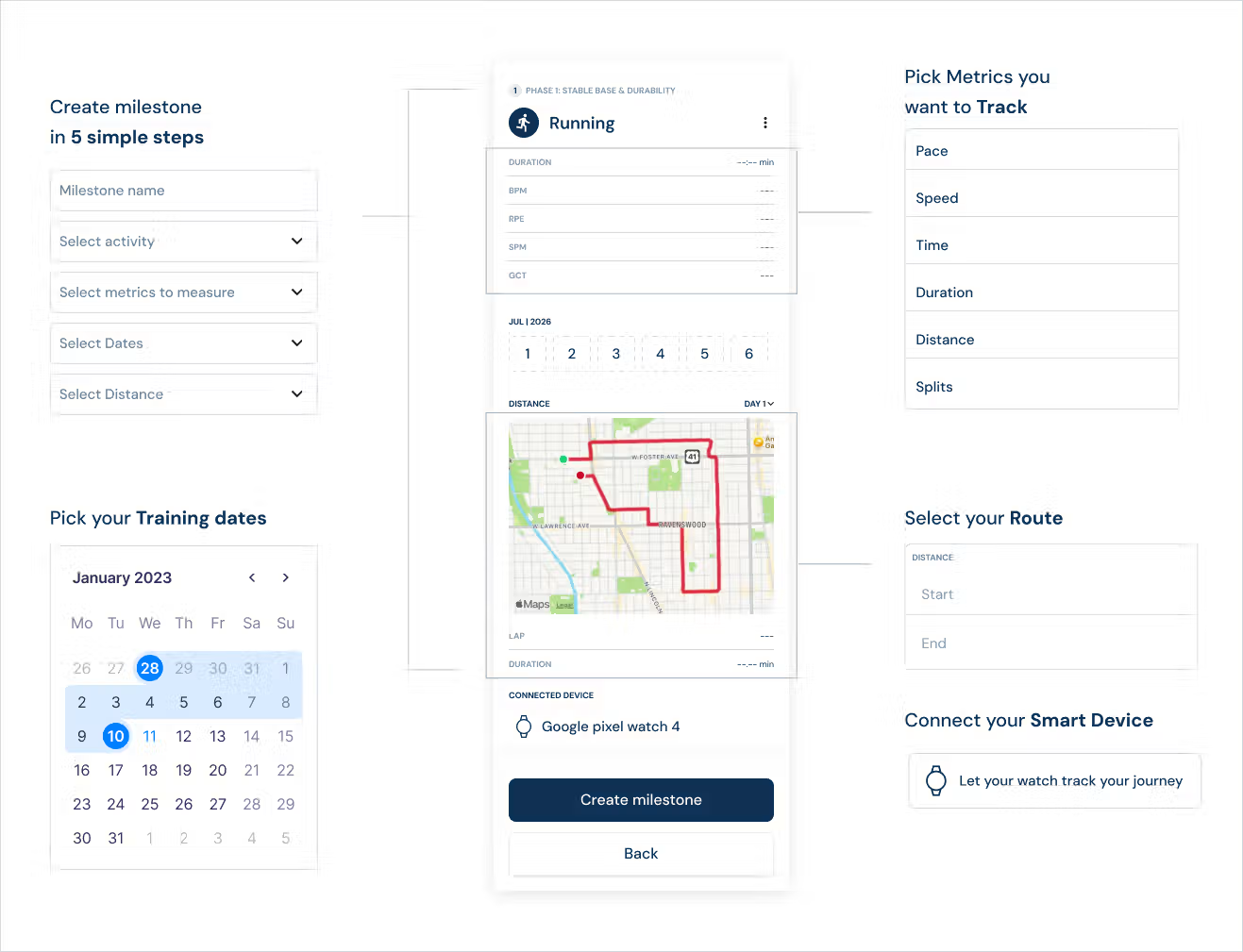
| App Feature | User Need Solved | Persona Value Drivers |
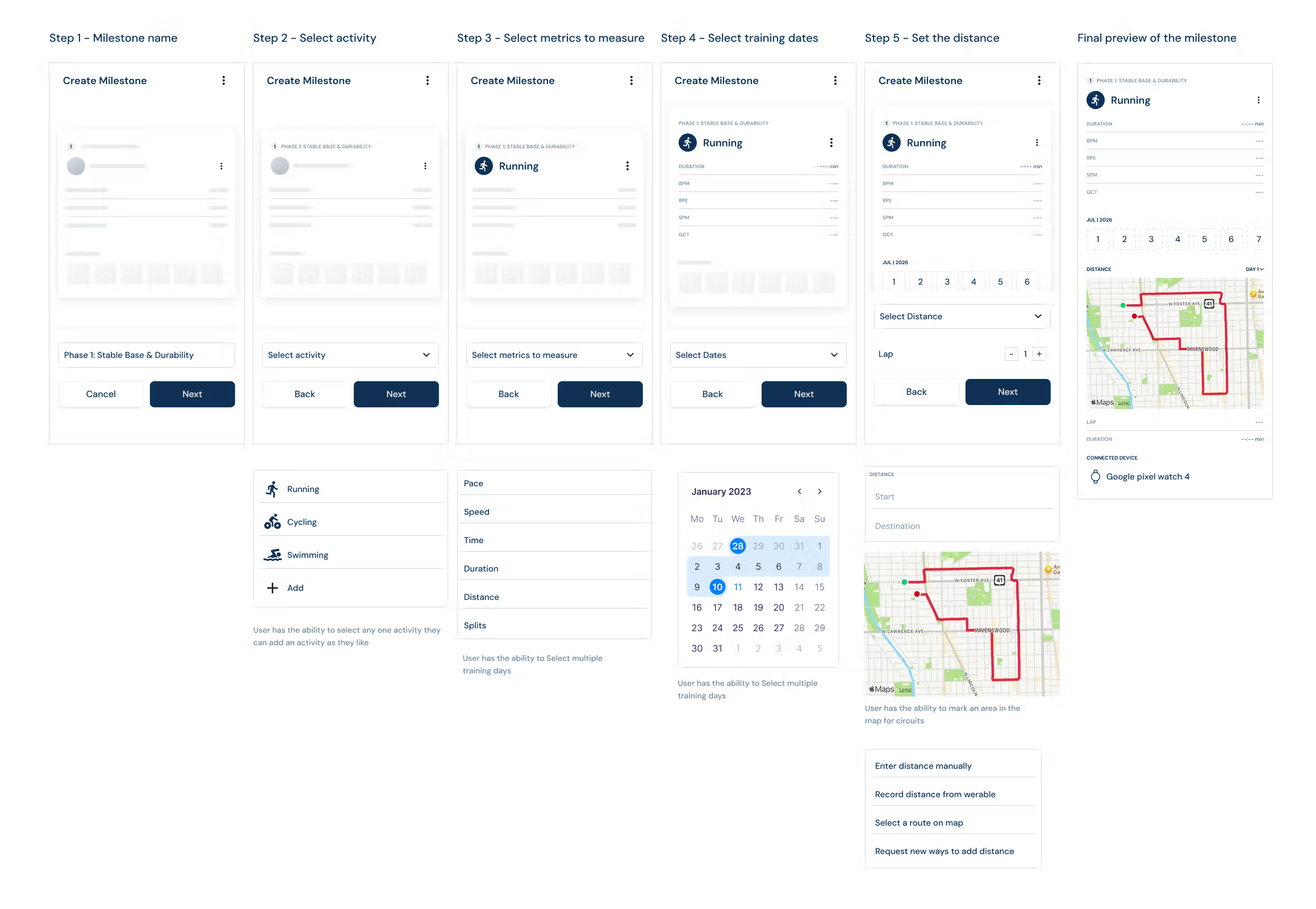
| 5-Step Milestone Builder | Eliminates guesswork in structuring training blocks. | Quick setup for Activity, Metrics (Pace, GCT, SPM, RPE), Dates, and GPX Routes. |
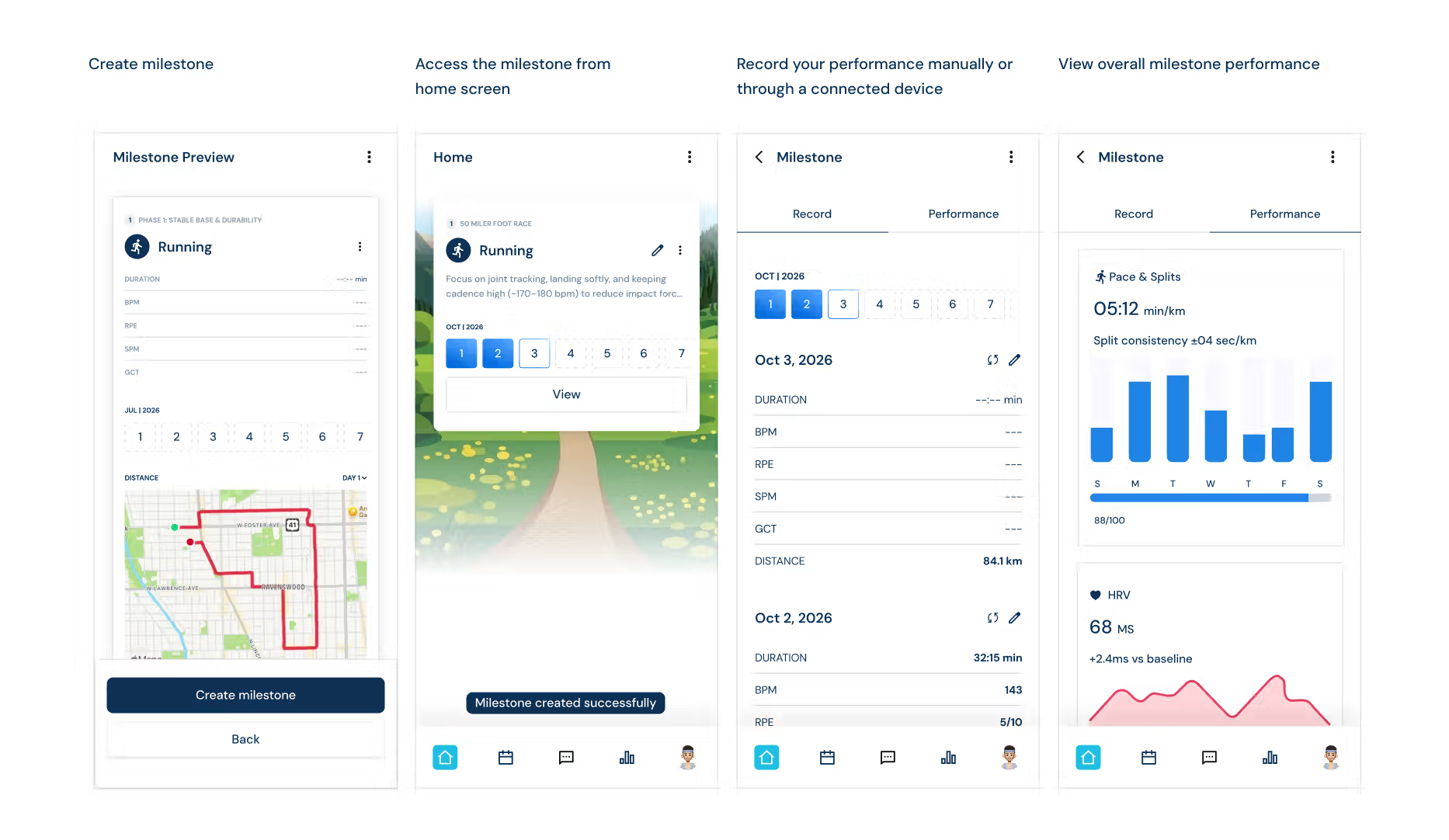
| Smart Device Integration (Pixel Watch, Garmin, Apple Watch) | Removes manual data entry friction. | Direct hardware sync ensures seamless background tracking during long runs/rides. |
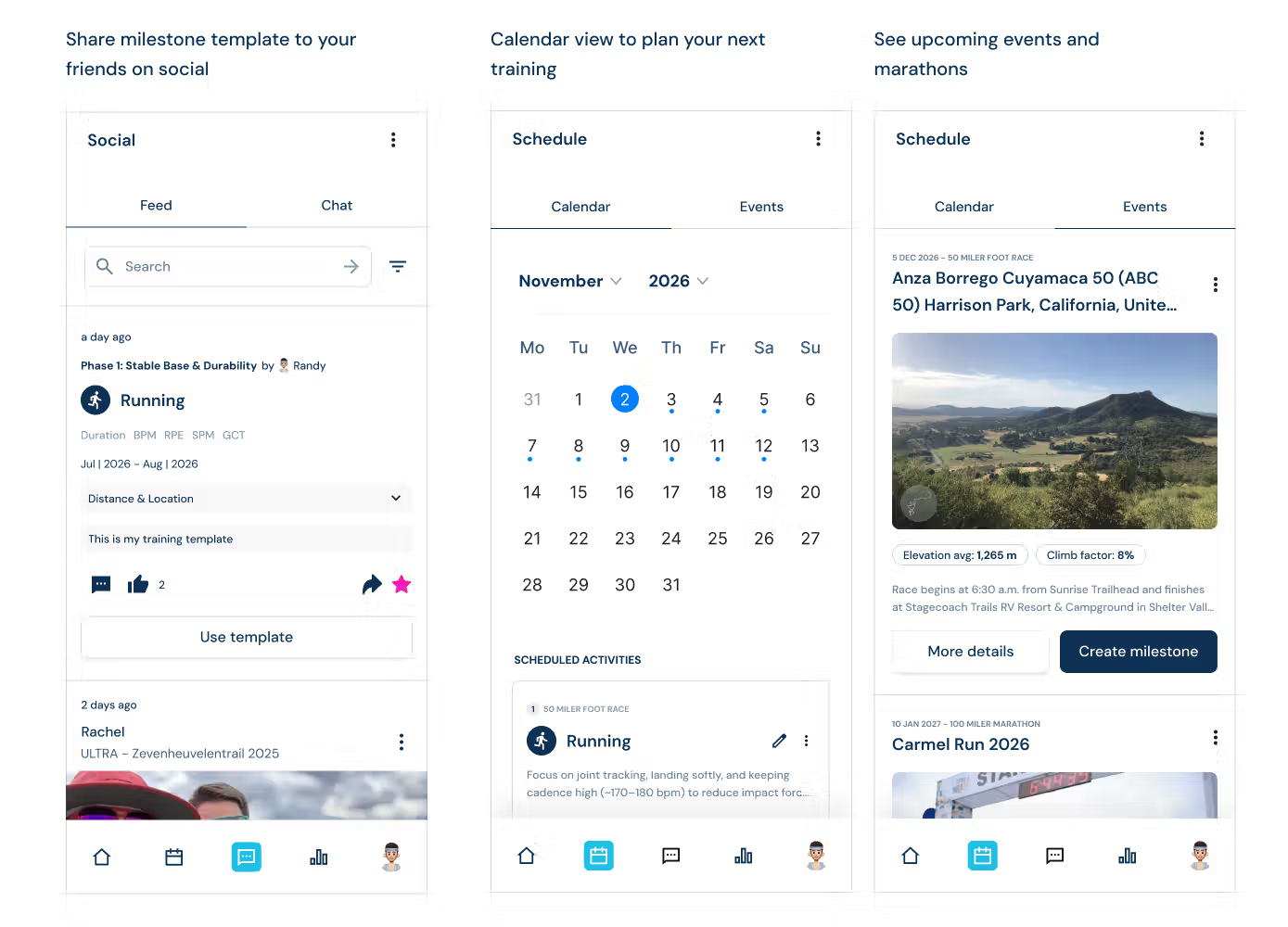
| Social Template Sharing | Replaces superficial feeds with actionable utility. | Allows athletes to clone proven periodization templates (e.g., "Phase 1: Base & Durability") from peers/coaches. |
| Schedule & Calendar View | Keeps long-term goal progression visible. | Daily focus notes (e.g., "Focus on joint tracking, landing softly, cadence ~170–180 bpm") tie daily work to macro goals. |
| Events & Marathon Discovery | Streamlines race selection and prep. | Full elevation profiles, climb factors, and one-click "Create Milestone" directly from event cards. |
Creating milestone